Proper illumination does more than just brighten a room; it transforms your living space into a functional and inviting sanctuary. Whether you are relaxing after a long day or hosting guests, the right glow sets the perfect mood for every occasion.
Selecting the ideal fixtures is essential to highlight the architectural beauty of your residence. By choosing the right Types of Interior Lights for Homes, you can easily accentuate textures, colors, and furniture layouts. This thoughtful approach ensures that your environment remains both practical and visually stunning.
Understanding the basics of illumination helps you navigate the vast array of solutions available today. Our guide provides comprehensive insights into creating a balanced atmosphere in every room. By mastering these fundamental concepts, you will be well-prepared to design a space that reflects your personal style while maximizing comfort and efficiency.
Understanding the Fundamentals of Types of Interior Lights for Homes
Mastering the various types of interior lights for homes is the first step toward creating a truly balanced living space. Light serves as a critical element in shaping the overall aesthetic, acting as the bridge between architectural form and daily utility. By grasping these core principles, you can transform ordinary rooms into extraordinary environments.
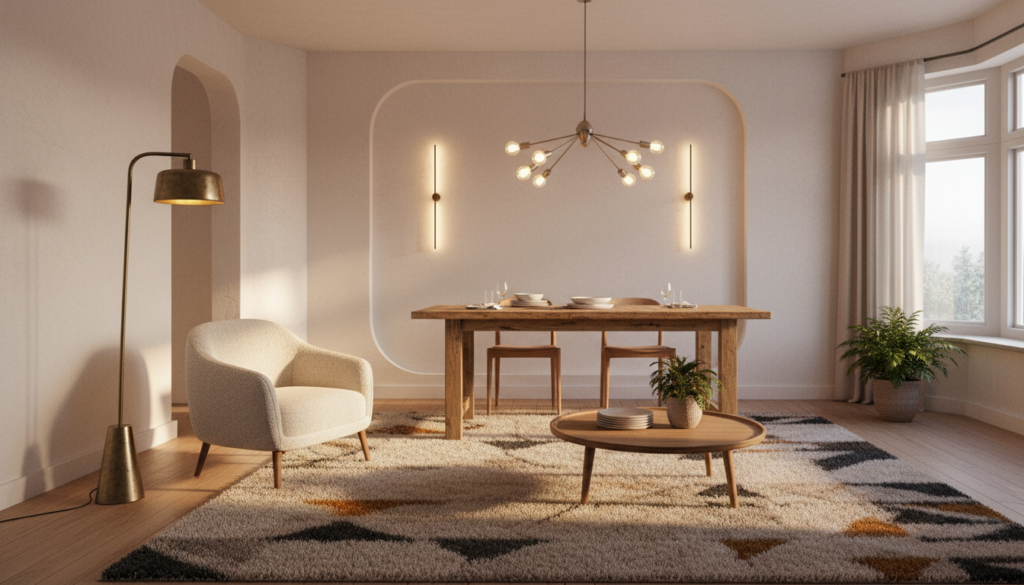
The Role of Lighting in Interior Design
Lighting is far more than a functional necessity; it is a powerful design tool that highlights textures, colors, and spatial dimensions. When you select the right fixtures, you can draw attention to specific focal points or create a sense of depth in smaller areas. Strategic illumination ensures that your interior design choices truly shine.
“Light is the most important tool in the designer’s kit, as it has the power to change the perception of space and color instantly.”
To better understand how different light sources function, consider the following breakdown of their primary roles in your home:
| Lighting Category | Primary Purpose | Design Impact |
|---|---|---|
| Ambient | General visibility | Creates a base layer |
| Task | Focused activity | Increases efficiency |
| Accent | Visual interest | Adds dramatic flair |
How Lighting Affects Mood and Productivity
The psychological impact of light intensity and color temperature cannot be overstated. Warm, soft lighting often promotes relaxation, making it ideal for bedrooms and living areas where you unwind after a long day. Conversely, cooler, brighter light is essential for maintaining focus and high productivity levels in home offices or kitchens.
Choosing the correct types of interior lights for homes allows you to curate the emotional tone of every room. Consistency in temperature helps maintain a cohesive flow throughout your residence. By balancing these elements, you ensure that your home remains both a sanctuary for rest and a hub for active work.
Ambient Lighting: The Foundation of Your Space
Ambient lighting serves as the essential backbone for any well-designed home interior. It provides the necessary general coverage that allows you to move safely and comfortably through your rooms. By establishing a consistent base layer, you ensure that no corner of your home feels neglected or dark.
Choosing the right interior lights is the first step in creating a functional living environment. This foundational layer sets the overall tone for your home, making it feel welcoming and open. Without this base, other decorative elements often fail to shine as intended.
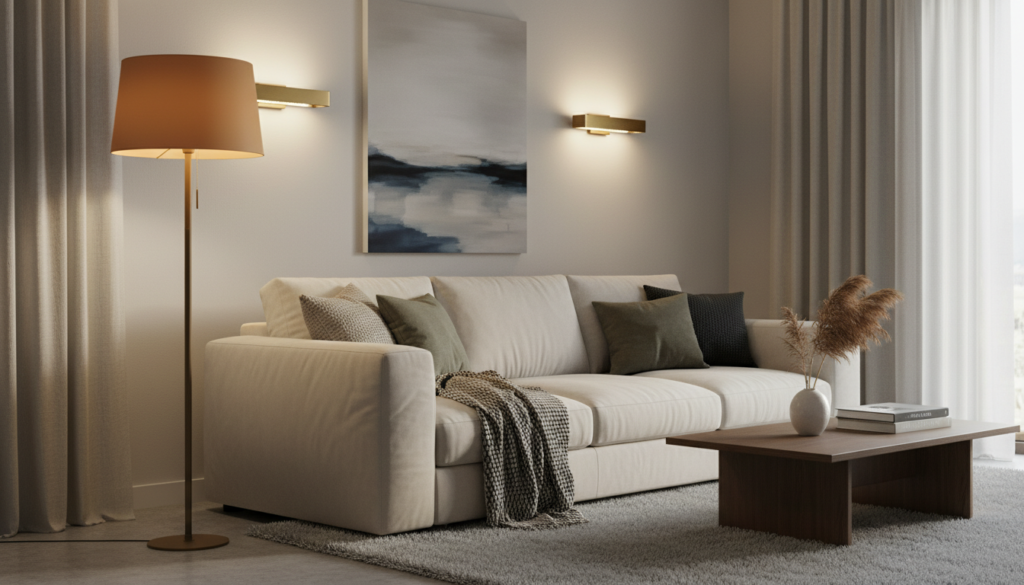
Ceiling-Mounted Fixtures for General Coverage
Ceiling-mounted fixtures are the most common way to achieve uniform illumination in Indian homes. These units distribute light from above, ensuring that the entire floor area receives adequate brightness. Consistency is the primary goal when selecting these fixtures for your living room or bedroom.
Flush-mount and semi-flush mount options work exceptionally well in rooms with standard ceiling heights. They provide a clean, unobtrusive look while effectively brightening the space. When you select high-quality interior lights for your ceiling, you create a reliable canvas for the rest of your design.
Wall Sconces as Secondary Ambient Sources
While ceiling fixtures provide the main glow, wall sconces add a layer of sophistication and depth. These fixtures are perfect for softening harsh shadows that often occur in corners or near furniture. By placing them strategically, you can eliminate dark spots and create a more balanced visual experience.
Sconces also serve as excellent secondary interior lights that can be dimmed for a more relaxed evening mood. They draw the eye to your walls, highlighting textures or paint finishes that might otherwise go unnoticed. This simple addition makes a room feel significantly more intimate and well-planned.
Natural Light Integration and Window Treatments
Maximizing natural light is a vital part of any lighting strategy. During the day, your windows act as the primary source of illumination, reducing the need for artificial energy consumption. Proper window treatments, such as sheer curtains or adjustable blinds, allow you to control the intensity of sunlight entering your home.
When you balance daylight with your interior lights, you create a dynamic space that shifts beautifully from morning to night. Sheer fabrics are particularly effective in Indian climates, as they diffuse harsh glare while maintaining privacy. Investing in versatile window coverings ensures that your home remains bright, airy, and energy-efficient throughout the year.
Task Lighting: Precision for Daily Activities
Precision lighting transforms how you interact with your living spaces every single day. Unlike general illumination, task lighting provides focused brightness for specific chores that require high visual clarity. By integrating these specialized interior lights, you can significantly improve the functionality of your home.
Under-Cabinet Lighting for Kitchen Workspaces
The kitchen is often the busiest room in an Indian home, requiring excellent visibility for chopping and cooking. Installing under-cabinet strips effectively eliminates harsh shadows that overhead lights often cast on your countertops. This creates a clear, well-lit surface that makes food preparation safer and more efficient.
Desk Lamps for Home Offices and Study Areas
Creating a productive home office requires more than just a comfortable chair. Ergonomic desk lamps are essential interior lights that help reduce eye strain during long hours of work or study. By directing light exactly where you need it, you minimize glare and maintain focus on your tasks.
Vanity Lighting for Bathrooms and Dressing Rooms
Personal care routines demand lighting that offers both accuracy and comfort. Proper vanity configurations ensure shadow-free illumination, which is vital for grooming or applying makeup. Choosing the right fixtures helps maintain true color rendering, allowing you to see yourself clearly in the mirror.
| Lighting Type | Primary Benefit | Best Application |
|---|---|---|
| Under-Cabinet | Shadow reduction | Kitchen counters |
| Desk Lamps | Reduced eye strain | Study and office |
| Vanity Lights | Color accuracy | Bathrooms |
Accent Lighting: Adding Drama and Depth
Accent lighting serves as the artistic brushstroke that brings depth and drama to your home’s interior design. While other layers provide visibility, this specific approach focuses on creating visual interest by highlighting unique design elements. By choosing the right interior lights, you can transform a flat room into a dynamic and inviting space.
Wall Washers to Highlight Architectural Features
Wall washers are excellent for drawing attention to textured surfaces like exposed brick, stone cladding, or decorative plasterwork. These fixtures cast a wide, even glow across a vertical surface, which helps to minimize shadows and emphasize the material’s natural beauty. Using these interior lights effectively can make a room feel larger and more sophisticated.
Picture Lights for Art Displays
To showcase your personal art collection, dedicated picture lights are essential for professional clarity. These fixtures are designed to illuminate canvases or framed photographs without causing glare or damaging the artwork with excessive heat. Proper placement ensures that colors appear vibrant and details remain sharp, turning your walls into a private gallery.
“Lighting is the most important element in a room because it defines the mood and highlights the beauty of every object it touches.”
Directional Spotlights for Focal Points
Directional spotlights allow you to guide the eye toward your most cherished home decor items, such as sculptures or antique vases. By adjusting the angle of the beam, you create a dramatic focal point that stands out against the rest of the room. This technique adds a layer of professional polish to your home’s overall aesthetic.
| Lighting Type | Primary Use | Best Feature |
|---|---|---|
| Wall Washers | Textured Walls | Uniform Coverage |
| Picture Lights | Artwork | Color Accuracy |
| Spotlights | Decor Objects | High Precision |
Incorporating these varied interior lights allows you to curate an environment that feels both intentional and luxurious. By balancing these accent layers, you ensure that every corner of your home tells a story.
Decorative Lighting: Making a Style Statement
Beyond mere illumination, decorative lighting acts as the jewelry of your home interior. These fixtures serve a dual purpose by providing necessary light while functioning as a significant design statement that reflects your unique personality. When exploring various types of lights, decorative options allow you to express creativity and define the mood of your living space.
Statement Chandeliers for Living and Dining Rooms
A statement chandelier often serves as the dramatic centerpiece of a living or dining room. By anchoring the space, these fixtures draw the eye upward and create a sense of luxury and grandeur. Whether you prefer a modern crystal design or a traditional brass silhouette, the right chandelier transforms the entire atmosphere of your home.
Artistic Floor Lamps as Sculptural Elements
Artistic floor lamps offer a brilliant way to introduce character into a room, even when the lights are turned off. These pieces function as sculptural elements that stand as independent works of art in corners or beside seating areas. You can choose designs with bold geometric shapes or organic, flowing lines to complement your existing decor.
Table Lamps with Unique Textures and Materials
Table lamps featuring unique textures and materials bring a sense of warmth and tactile interest to side tables and consoles. Incorporating these specific types of lights allows you to layer your illumination while adding depth to your interior design scheme. Look for bases crafted from hammered metal, hand-blown glass, or natural stone to create a sophisticated, curated look in your home.
Recessed Lighting: The Modern Minimalist Choice
Transforming your living space with the right types of lights often begins with the strategic use of recessed cans. These fixtures, commonly known as downlights, sit flush against the ceiling to provide a clean and unobtrusive look. They are a staple in contemporary Indian homes where a clutter-free aesthetic is highly valued.
Benefits of Can Lights in Low-Ceiling Rooms
In rooms with limited vertical clearance, bulky chandeliers or hanging pendants can make the space feel cramped and restrictive. Recessed lighting solves this by maintaining the visual height of the room. By keeping the ceiling surface smooth, these lights create an illusion of a larger, more open environment.
Because they are tucked away, they eliminate the risk of accidental bumps or visual obstruction. This makes them an ideal choice for hallways, bedrooms, and compact living areas where every inch of space matters.
Strategic Placement for Even Illumination
Achieving consistent light coverage requires careful planning to avoid unwanted shadows or dark corners. A common mistake is placing lights too far apart, which creates uneven pools of brightness. Instead, aim for a balanced grid pattern that ensures light overlaps slightly at the floor level.
Consider the function of the room when mapping out your layout. For instance, you might need a tighter cluster of lights over a reading nook compared to a general walkway. Proper spacing is the secret to a professional, high-end finish that enhances the architecture of your home.
Choosing the Right Trim and Bulb Temperature
The trim is the visible part of the fixture that sits flush with your ceiling. Selecting the right style, such as a baffle trim to reduce glare or a reflector trim for maximum output, significantly impacts the final look. These types of lights allow you to customize the aesthetic to match your interior decor perfectly.
Equally important is the color temperature of your bulbs. Warm white light (2700K-3000K) is perfect for creating a cozy, inviting atmosphere in bedrooms and living rooms. Conversely, cooler daylight tones (4000K-5000K) are better suited for kitchens and home offices where clarity and focus are essential.
Pendant and Chandelier Fixtures for Elegant Interiors
Pendant and chandelier fixtures serve as the crown jewels of interior design, instantly elevating the aesthetic appeal of any room. These types of lights act as the primary focal point, drawing the eye upward and creating a sense of luxury. By carefully selecting the right design, you can transform a standard living space into a sophisticated sanctuary.
Selecting the Right Scale for Your Dining Table
Proportion is the secret to a well-designed dining area. A fixture that is too small will look lost, while one that is too large can overwhelm the space. Always measure your table length before purchasing to ensure the fixture width covers roughly one-third to one-half of the table surface.
Hanging height is equally vital for comfort and style. Aim to position the bottom of the fixture about 30 to 36 inches above the tabletop. This placement ensures that the light illuminates your meals without obstructing the view of your guests.
Grouping Pendants for Kitchen Island Impact
Modern kitchens often utilize multiple hanging lights to create a cohesive visual statement. Grouping three or more pendants in a linear fashion provides even illumination across the entire workspace. This technique is highly effective for long kitchen islands where a single light source would leave dark corners.
“Lighting is the final touch that brings a room to life, turning a house into a home with warmth and character.”
Material Trends in Modern Indian Lighting Design
The Indian lighting market is currently witnessing a beautiful fusion of traditional craftsmanship and contemporary aesthetics. Designers are increasingly using sustainable materials like hand-woven bamboo, brass, and recycled glass to create unique pieces. These materials add a layer of texture and cultural depth to modern interiors.
Local artisans are now experimenting with minimalist silhouettes that fit perfectly into urban apartments. By choosing these types of lights, you support local heritage while maintaining a sleek, modern look. This blend of old-world charm and new-age design is defining the future of home lighting in India.
Track and Rail Lighting Systems for Versatility
When you are searching for the most flexible types of interior lights, track and rail systems often emerge as the top contender. These lighting solutions provide homeowners with the freedom to modify their space without needing to rewire the ceiling. Whether you are rearranging your living room furniture or updating your art collection, these systems adapt to your evolving needs.
Adjustable Heads for Changing Room Layouts
The primary advantage of track lighting lies in its adjustable heads. You can easily slide, rotate, or tilt each fixture to direct light exactly where it is needed most. This level of control is perfect for highlighting specific zones, such as a reading nook or a dining area, as your floor plan shifts over time.
Monorail Systems for Curved Architectural Spaces
Standard tracks are often rigid, but monorail systems offer a unique solution for complex room shapes. These flexible rails can be bent to follow the contours of curved walls or irregular ceiling designs. By using these types of interior lights, you can ensure that even the most challenging corners of your home receive consistent and stylish illumination.
Industrial vs. Sleek Modern Track Designs
Choosing the right aesthetic is essential for maintaining your home’s overall theme. Industrial-style tracks often feature exposed bulbs and raw metal finishes, which add a bold, edgy character to loft-style apartments. In contrast, sleek modern designs prioritize minimalism with slim profiles and hidden wiring, blending seamlessly into contemporary Indian interiors.
Ultimately, selecting between these types of interior lights depends on your personal style and functional requirements. Whether you prefer the rugged look of industrial hardware or the clean lines of modern tracks, these systems offer a durable and efficient way to brighten your home.
Smart Lighting Solutions for the Modern Indian Home
Modern Indian homes are rapidly evolving with the integration of intelligent lighting technology. These advanced systems offer homeowners unprecedented control over their environment, moving far beyond traditional switches. By exploring various types of interior lights, you can create a home that is both functional and highly responsive to your needs.
Color-Changing LED Bulbs for Ambiance Control
Color-changing LED bulbs are a popular choice for those who want to transform their room’s mood instantly. With a simple tap on your smartphone, you can shift from a bright, cool white for morning productivity to a warm, golden hue for evening relaxation. This flexibility makes them one of the most versatile types of interior lights available today.
Personalizing your space has never been more accessible. Whether you are hosting a festive dinner or settling in for a movie night, these bulbs allow you to set the perfect scene. You can easily adjust the intensity and color spectrum to match any occasion or decor style.
Integration with Home Automation Systems
The true power of smart lighting lies in its ability to connect with broader home automation ecosystems. By linking your fixtures to a central hub, you gain the ability to manage your home via voice commands or remote mobile access. This seamless connectivity ensures that your lighting is always working in harmony with your daily routine.
Many modern systems now support popular voice assistants, allowing you to dim the lights or change colors without lifting a finger. This level of convenience is a significant upgrade for any household. It represents a major shift in how we interact with the types of interior lights installed throughout our living spaces.
Energy Efficiency and Scheduling Benefits
Smart lighting is not just about convenience; it is also a highly energy-efficient choice for the conscious homeowner. By utilizing automated scheduling, you can ensure that lights are only active when needed. This simple habit significantly reduces unnecessary electricity consumption and lowers monthly utility bills.
You can program your lights to turn off automatically when you leave a room or set them to mimic your presence while you are away on vacation. These smart features provide peace of mind while maintaining a comfortable and secure living environment. Investing in these types of interior lights is a smart step toward a more sustainable and efficient future.
Mastering the Art of Layered Illumination
Creating a professional lighting scheme requires a thoughtful blend of various types of interior lights. You transform a simple room into a dynamic sanctuary by balancing ambient, task, and accent layers. This intentional approach ensures your home remains functional and visually stunning throughout the day.
Selecting the right fixtures involves more than just picking a design. You must consider how light interacts with your furniture, wall colors, and daily routines. Brands like Philips and Havells offer versatile options that help you achieve this balance with ease. Experimenting with different intensities allows you to customize your environment for work, relaxation, or social gatherings.
Your lighting choices define the character of your living space. Start by evaluating which areas need more focus and which spots benefit from a softer glow. Share your favorite lighting setups or ask questions about specific fixture placements in the space below. Your journey toward a perfectly illuminated home begins with these small, strategic adjustments.