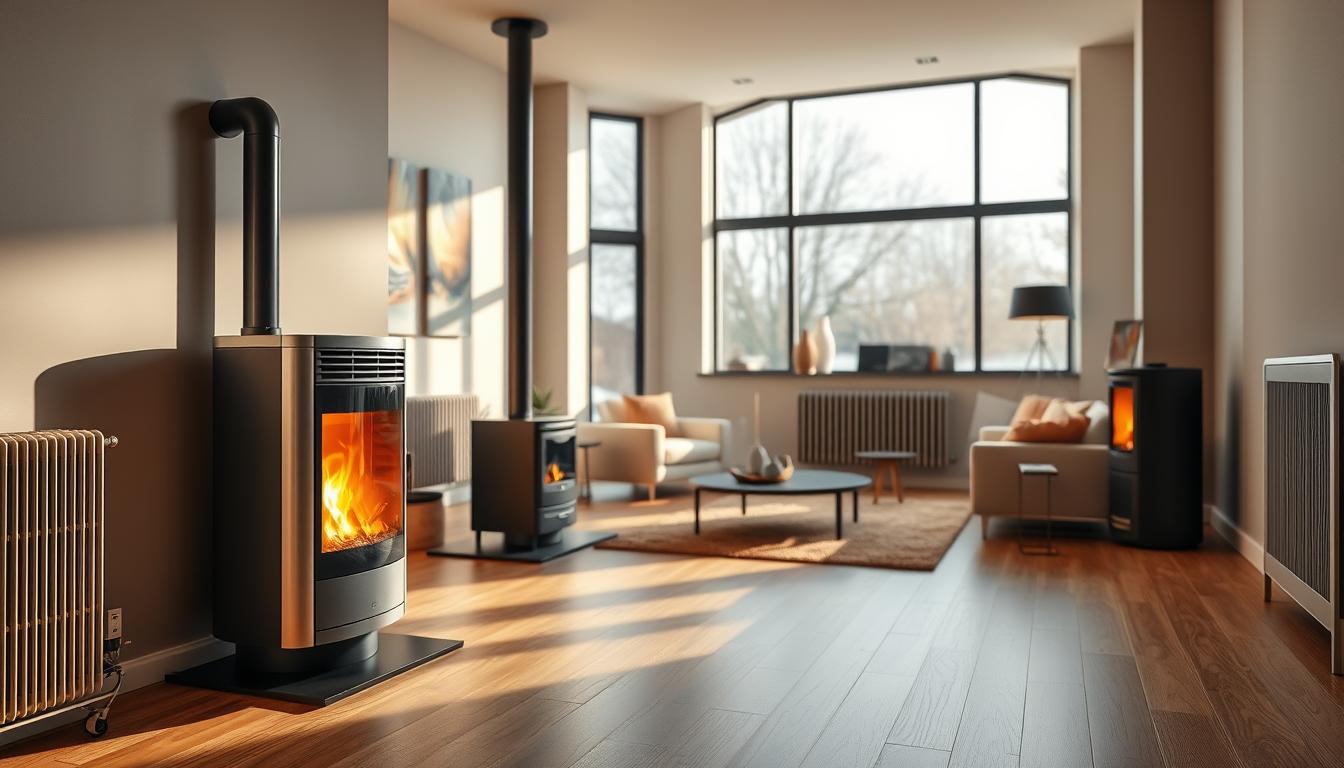
Tag: Large room heating

  • Heating Up Big Rooms: The Best Heater Types to Consider

    Heating Up Big Rooms: The Best Heater Types to Consider

    Are you tired of shivering in your spacious living room during the cold winter months? Heating a large room can be a daunting task, especially when you’re not sure which heater is right for you.

    Choosing the right heater solution is crucial to ensure your space is warm and cozy. With so many options available, it can be overwhelming to decide on the best one.

    You need a heater that can efficiently warm up your large room without breaking the bank. In this article, we’ll explore the best heater types for large rooms and help you make an informed decision.

    Key Takeaways

    • Understand the different heater solutions for large rooms.
    • Learn how to choose the right heater for your space.
    • Discover the most efficient heater types for big rooms.
    • Find out how to save money on heating costs.
    • Get tips on maintaining your heater for optimal performance.

    The Challenge of Heating Large Spaces

    Big rooms demand powerful heating solutions that traditional heaters often can’t provide. Heating large spaces can be a daunting task, especially during the cold winter months. The challenge lies in finding a heater that can efficiently warm the entire area without breaking the bank or compromising on comfort.

    Why Traditional Heaters Often Fall Short

    Traditional heaters are often designed with smaller spaces in mind. As a result, they may struggle to heat larger areas effectively. This can lead to uneven heating, where some parts of the room are warm while others remain cold. Moreover, running multiple traditional heaters to cover a large space can be inefficient and costly.

    To overcome this, it’s essential to understand the limitations of traditional heaters and explore alternative options designed for larger spaces.

    Understanding BTU Requirements for Big Rooms

    When selecting a heater for a large room, understanding the British Thermal Unit (BTU) requirements is crucial. BTU is a measure of the heater’s energy output. A higher BTU rating indicates a more powerful heater. To heat a large space efficiently, you’ll need a heater with a sufficient BTU rating.

    A general rule of thumb is to calculate the BTU requirements based on the room’s size. For instance, a well-insulated room requires about 20 BTUs per square foot. So, for a 1,000 square foot room, you’d need a heater with a 20,000 BTU rating. However, this can vary depending on factors like insulation quality and window efficiency.

    By understanding your space’s specific BTU needs, you can choose an efficient space heater that provides optimal warmth without wasting energy.

    Key Factors to Consider When Choosing Heaters for Large Rooms

    Choosing the perfect heater for your spacious room can be a daunting task, but understanding key factors can simplify the process. When it comes to heating large spaces, several critical elements come into play to ensure you select a heater that effectively warms your room.

    Room Size and Ceiling Height

    The size of your room and its ceiling height are fundamental factors in determining the heating capacity you need. A larger room or one with higher ceilings requires a more powerful heater to maintain a comfortable temperature. Always check the heater’s coverage area to ensure it matches your room’s dimensions. For instance, a heater designed for a 500 sq. ft. room might not be sufficient for a room that’s 800 sq. ft.

    Insulation Quality and Window Efficiency

    The quality of your room’s insulation and the efficiency of its windows significantly impact heating needs. Well-insulated rooms with double-glazed windows retain heat better, requiring less powerful heaters. Conversely, poorly insulated rooms or those with single-pane windows may need more robust heating solutions. As energy efficiency expert notes, “A well-insulated room can reduce heating needs by up to 30%.”

    Climate Considerations for Different US Regions

    Your geographical location plays a crucial role in determining the type of heater you need. Different US regions have varying climate conditions that affect heating requirements. For example, areas with harsh winters, like the Northeast, require heaters with higher BTU outputs compared to regions with milder winters, such as the South. “In colder climates, it’s essential to choose heaters that can withstand low temperatures and provide consistent warmth,” according to a

    study on regional heating needs

    . When selecting a heater, consider the average winter temperature in your area to ensure you choose a model that can handle the local climate conditions.

    By considering these key factors—room size, insulation quality, and regional climate differences—you can make an informed decision when choosing a heater for your large room. This thoughtful approach ensures you select a heater that not only meets your heating needs but also does so efficiently and effectively.

    Types of Heaters for Large Rooms: A Comprehensive Overview

    Heating a large room effectively requires understanding the different types of heaters and their capabilities. When you’re dealing with spacious areas, the right heater can make all the difference in maintaining a comfortable temperature.

    Heating Capacity Explained

    Understanding the heating capacity of a heater is crucial. It’s measured in British Thermal Units (BTUs). The higher the BTU rating, the larger the area a heater can warm.

    BTU Ratings and Coverage Area

    BTU ratings are a key factor in choosing the right heater. Generally, a larger room requires a heater with a higher BTU rating. For instance, a small room might need a heater with 5,000 BTUs, while a large room could require 15,000 BTUs or more.

    Power Requirements

    Besides BTU ratings, the power requirements of a heater are also important. Some heaters, especially electric ones, might need a significant amount of power to operate effectively. Ensure your electrical infrastructure can support the heater’s power needs.

    Permanent vs. Portable Solutions

    When choosing a heater, you must decide between permanent and portable solutions. Permanent heaters, like installed central heating systems, provide consistent warmth but require professional installation.

    Portable heaters, on the other hand, offer flexibility. They can be moved from room to room and are generally easier to install. However, they might not provide the same level of consistent heating as permanent solutions.

    Here are some key considerations for each type:

    • Permanent Heaters:Provide consistent heat
    • Often more energy-efficient
    • Can increase property value
    • Portable Heaters:Flexible and movable
    • Generally less expensive upfront
    • Can be used in multiple rooms

    Choosing between these options depends on your specific needs, the size of your room, and your budget. Consider factors like energy efficiency, installation costs, and your heating requirements.

    By understanding the different types of heaters and their characteristics, you can make an informed decision that suits your heating needs.

    Forced-Air Heating Systems

    Forced-air heating is a widely used method for warming large spaces, thanks to its ability to distribute heat evenly. This heating solution utilizes a network of ducts to circulate warm air throughout a building, making it an effective choice for big rooms.

    How Forced-Air Systems Work

    Forced-air systems operate by using a furnace or heating unit to warm the air, which is then distributed through a ductwork system to various parts of the building. The air is circulated by a blower fan, ensuring that warm air reaches all areas. This method allows for quick heating and can be integrated with air conditioning systems for year-round comfort.

    Pros and Cons for Large Spaces

    Forced-air systems have several advantages when it comes to heating large spaces. They can heat a room quickly and maintain a consistent temperature. However, there are also some drawbacks to consider.

    Heating Speed and Distribution

    One of the key benefits of forced-air systems is their ability to heat a space rapidly. The forced circulation of warm air ensures that all areas of the room are heated evenly, reducing cold spots. This makes them particularly effective for large, open-plan spaces.

    Noise and Maintenance Considerations

    While forced-air systems offer many benefits, they can also be noisy due to the operation of the blower fan and the flow of air through the ducts. Regular maintenance is necessary to ensure the system operates efficiently and effectively. This includes cleaning or replacing filters and inspecting the ductwork for leaks or damage.

    By understanding how forced-air systems work and their pros and cons, you can make an informed decision about whether this heating solution is right for your large space.

    Radiant Heating Options

    When it comes to heating large rooms, radiant heating systems offer a highly efficient and comfortable solution. Unlike traditional convection heaters, radiant heating works by directly warming objects and people, providing a more consistent and cozy warmth.

    In-Floor Radiant Heating

    In-floor radiant heating involves installing heating elements, such as hydronic tubing or electric mats, under the floor. This method provides uniform heat distribution and can be particularly effective in large, open spaces.

    • Energy efficiency: Reduces heat loss through ducts
    • Comfort: Provides consistent warmth from the floor up
    • Aesthetic appeal: No visible heating units

    Radiant Panels and Ceiling Systems

    Radiant panels and ceiling systems are another effective option for heating large rooms. These systems involve mounting heating panels on walls or ceilings, which then radiate heat into the space.

    Some benefits of radiant panels include:

    1. Quick installation: Often simpler to install than in-floor systems
    2. Flexibility: Can be used in various room configurations
    3. Energy efficiency: Can be more efficient than traditional heating methods

    Both in-floor radiant heating and radiant panels or ceiling systems offer energy-efficient solutions for heating large rooms. By understanding the different options available, you can choose the best radiant heating system for your needs.

    High-Capacity Electric Space Heaters

    Large rooms require powerful heating solutions, and high-capacity electric heaters fit the bill perfectly. These heaters are designed to provide efficient and effective warmth, making them an ideal choice for spacious areas.

    high-capacity electric heaters

    Commercial-Grade Electric Heaters

    When selecting a high-capacity electric heater, consider commercial-grade models. These are built to handle larger spaces and often come with advanced features such as multiple heat settings and robust construction. Commercial-grade electric heaters can be more expensive upfront, but they offer reliability and durability.

    Energy Consumption Considerations

    Understanding the energy consumption of your high-capacity electric heater is crucial for managing your energy bills. These heaters can consume a significant amount of electricity, especially when used continuously.

    Calculating Operating Costs

    To calculate the operating cost, you need to know the wattage of the heater and the cost of electricity per kilowatt-hour (kWh). For example, a 2,000-watt heater running for 8 hours a day will consume 16 kWh. If your electricity cost is $0.15 per kWh, the daily cost would be $2.40.

    Peak vs. Standard Usage

    It’s also important to differentiate between peak and standard usage. Peak usage occurs during extremely cold periods when the heater runs almost constantly. Standard usage is more typical, with the heater cycling on and off to maintain a comfortable temperature. Understanding these patterns can help you better estimate your energy costs.

    By considering these factors, you can make an informed decision about using a high-capacity electric space heater in your large room, balancing warmth with energy efficiency.

    Infrared Heating Technology

    Infrared heating technology is revolutionizing the way we warm large spaces, offering an efficient and effective alternative to traditional heating methods. Unlike conventional heaters that warm the air, infrared heaters directly heat objects and people, providing a more comfortable and consistent warmth.

    How Infrared Heaters Warm Large Spaces

    Infrared heaters work by emitting infrared radiation, which is absorbed by objects in the room, including furniture, walls, and people. This direct heating method reduces energy loss and provides a more efficient way to warm large areas. The heaters are particularly effective in spaces with high ceilings or poor insulation, as they minimize the stratification of warm air near the ceiling.

    Key benefits of infrared heating include:

    • Energy efficiency through direct heat transfer
    • Reduced energy loss due to minimized air circulation
    • Comfortable warmth, as objects and people are heated directly

    Best Applications for Infrared Heating

    Infrared heating is particularly suited for large, open spaces such as warehouses, gymnasiums, and large residential areas. It’s also beneficial for spaces with high ceilings or those that are difficult to insulate. The technology is versatile, with applications ranging from residential homes to industrial settings.

    Application Benefits
    Residential Heating Efficient warmth, reduced energy bills
    Industrial Warehouses Direct heating of objects and people, reducing energy loss
    Gymnasiums and Large Public Spaces Consistent warmth, comfortable environment

    In conclusion, infrared heating technology offers a compelling solution for heating large spaces efficiently and effectively. Its direct heating method and energy efficiency make it an attractive option for various applications, from residential to industrial settings.

    Gas-Powered Heating Solutions

    When it comes to heating large spaces, gas-powered solutions stand out for their efficiency and power. These systems are particularly effective for big rooms, offering a reliable and consistent source of warmth.

    Natural Gas vs. Propane Options

    Gas-powered heating systems can run on either natural gas or propane. Natural gas is often more cost-effective and widely available, making it a popular choice for many homeowners. On the other hand, propane offers more flexibility, as it can be used in areas where natural gas lines are not available. When deciding between the two, consider factors like fuel availability, cost, and your specific heating needs.

    Vented vs. Ventless Systems

    Gas-powered heaters can be categorized into vented and ventless systems. Vented systems require proper ventilation to remove combustion byproducts, ensuring safe operation. Ventless systems, also known as direct vent or sealed combustion heaters, are designed to be more energy-efficient and safer, as they don’t draw air from inside the home. However, they require careful installation to ensure they function correctly.

    Safety Considerations

    Safety is paramount when using gas-powered heating solutions. It’s crucial to ensure proper installation and regular maintenance to prevent accidents. Key safety features to look for include automatic shut-off valves and oxygen depletion sensors.

    Installation Requirements

    Proper installation is critical for the safe and efficient operation of gas-powered heaters. This includes ensuring adequate ventilation, correct sizing for the space, and compliance with local building codes. It’s often recommended to hire a professional for installation to avoid potential risks.

    Pellet and Wood Stoves for Large Rooms

    When it comes to heating large rooms, pellet and wood stoves offer an efficient and eco-friendly solution. These heating systems have gained popularity due to their ability to provide consistent warmth while being cost-effective.

    Modern High-Efficiency Designs

    Modern pellet and wood stoves have evolved significantly, incorporating high-efficiency designs that maximize heat output while minimizing fuel consumption. Advanced combustion technology ensures that these stoves burn fuel more efficiently, reducing emissions and increasing overall performance.

    You can choose from a variety of designs, including sleek, contemporary models that fit well with modern decor, or more traditional styles that add a rustic charm to your space.

    Installation and Maintenance Requirements

    Proper installation is crucial for the safe and efficient operation of pellet and wood stoves. It’s essential to follow manufacturer guidelines and local building codes to ensure that your stove is installed correctly. This may involve hiring a professional to assess your home’s heating needs and install the stove appropriately.

    Maintenance is also key to keeping your stove running efficiently. Regular tasks include cleaning the stove, inspecting and replacing worn-out parts, and ensuring proper ventilation. By staying on top of maintenance, you can extend the lifespan of your stove and maintain its efficiency.

    Pellet and wood stoves not only provide a reliable heating solution but also offer environmental benefits by utilizing renewable resources. As you consider your heating options, these stoves are worth exploring for their efficiency, cost-effectiveness, and eco-friendly characteristics.

    Heat Pumps: An Efficient Year-Round Solution

    Heat pumps have emerged as a highly efficient solution for heating and cooling large rooms. Unlike traditional heating systems that only provide warmth, heat pumps offer the versatility of both heating and cooling, making them an ideal choice for year-round comfort.

    One of the key advantages of heat pumps is their ability to provide efficient temperature control. According to the U.S. Department of Energy, heat pumps can reduce electricity use by 30% to 40% compared to traditional electric heating systems. This efficiency is due to their mechanism of transferring heat rather than generating it, which significantly cuts down energy consumption.

    Standard vs. High-Output Heat Pumps

    When selecting a heat pump, it’s crucial to consider the size of your space and your heating/cooling needs. Standard heat pumps are suitable for most residential applications, providing adequate heating and cooling for average-sized homes. However, for larger spaces or homes with higher heating demands, high-output heat pumps are more appropriate. These models offer greater capacity and can maintain comfortable temperatures even in extreme weather conditions.

    “Heat pumps are a game-changer for large spaces,” says an industry expert. “They offer a reliable and efficient solution that can be tailored to specific needs.”

    Ductless Mini-Split Systems for Large Spaces

    Ductless mini-split systems are a popular choice for large rooms due to their flexibility and efficiency. These systems consist of an outdoor unit connected to one or more indoor units, providing zoned heating and cooling. This setup allows for precise temperature control in different areas of your home, reducing energy waste and enhancing comfort.

    The benefits of ductless mini-split systems include easy installation, minimal duct losses, and the ability to cool or heat individual rooms. This makes them particularly suitable for large, open-plan spaces or homes with multiple zones.

    In conclusion, heat pumps, especially when combined with ductless mini-split technology, offer a highly efficient and flexible solution for heating and cooling large rooms. By choosing the right system for your needs, you can enjoy year-round comfort while minimizing energy costs.

    Industrial and Commercial Heating Options for Residential Use

    When it comes to heating large residential spaces, exploring industrial and commercial heating options can be a game-changer. These robust systems, typically designed for larger commercial or industrial settings, can offer efficient and powerful heating solutions for spacious homes.

    Adapting Commercial Heaters for Home Use

    Adapting commercial heaters for residential use requires careful consideration of several factors. First, you need to assess the heater’s capacity to ensure it matches your home’s heating requirements. This involves calculating the British Thermal Units (BTUs) needed based on your home’s size, insulation, and climate. Additionally, you should consider the heater’s safety features, such as automatic shut-off and tip-over protection, to ensure safe operation in a residential setting.

    Another crucial aspect is modifying the installation to fit your home’s layout. This might involve working with a professional to integrate the commercial heater into your existing heating system or installing it as a standalone unit. Ensuring proper ventilation is also vital, especially for gas-powered heaters, to prevent carbon monoxide buildup.

    Cost-Benefit Analysis

    Conducting a cost-benefit analysis is essential when considering industrial or commercial heaters for your home. While these heaters are often more expensive upfront compared to traditional residential heaters, they can offer significant long-term savings. Their high efficiency and powerful heating capabilities can reduce energy consumption and lower utility bills over time.

    To make an informed decision, you should weigh the initial investment against the potential energy savings and increased comfort. Consider factors such as the heater’s lifespan, maintenance requirements, and any potential rebates or incentives available for energy-efficient systems. By carefully analyzing these aspects, you can determine whether an industrial or commercial heater is the right choice for your residential heating needs.

    Energy Efficiency and Cost Considerations

    As you consider different heating options for your large space, it’s essential to weigh both the upfront costs and the ongoing expenses. Energy-efficient space heaters can significantly impact your utility bills, making it crucial to understand the cost implications.

    Initial Investment vs. Operating Costs

    When evaluating heaters for large rooms, the initial purchase price is just the beginning. You must also consider the operating costs, which can vary significantly depending on the type of heater and its energy efficiency. For instance, high-efficiency heaters might have a higher upfront cost but can lead to substantial savings on your energy bills over time.

    energy-efficient space heaters

    It’s also worth noting that some heating solutions, like radiant floor heating, can be more cost-effective in the long run despite higher initial installation costs. Conversely, some cheaper options might end up costing more as they consume more energy.

    Smart Heating Controls for Optimized Performance

    Implementing smart heating controls can further enhance the efficiency of your heating system. These advanced controls allow you to optimize your heating schedule and adjust temperatures based on your specific needs.

    Programmable Thermostats

    Programmable thermostats are a simple yet effective way to manage your heating costs. By setting your heater to turn on and off at specific times, you can avoid wasting energy when you’re not home or when you’re sleeping.

    Zone Heating Strategies

    Zone heating involves heating only the areas of your home that are in use, rather than warming the entire space. This strategy can be particularly effective in large homes or homes with unused rooms. By focusing your heating efforts where they’re needed most, you can reduce overall energy consumption and lower your heating bills.

    By combining energy-efficient heaters with smart heating controls, you can create a heating system that is both effective and cost-efficient. This approach not only helps in reducing your energy bills but also contributes to a more sustainable heating solution.

    Safety Features to Look for in Large Room Heaters

    As you search for the perfect heater for your spacious room, don’t overlook the importance of built-in safety features. Large room heaters, while providing comfort and warmth, can pose certain risks if not equipped with the right safety mechanisms. Ensuring your heater has the necessary safety features can prevent accidents and provide peace of mind.

    Overheating Protection

    One of the critical safety features to look for in a large room heater is overheating protection. This feature automatically shuts off the heater if it reaches a dangerous temperature, preventing potential fires or damage. Overheating protection is especially important in large rooms where heaters may run for extended periods.

    • Automatic shut-off in case of overheating
    • Thermal cut-off switches
    • Advanced temperature monitoring systems

    Tip-Over Switches and Child Safety

    Tip-over switches are another essential safety feature, especially if you have children or pets. These switches turn off the heater if it’s accidentally knocked over, reducing the risk of burns or fires. When choosing a heater, look for models with robust tip-over protection and consider designs that are inherently safer for households with children.

    Proper Ventilation Requirements

    Proper ventilation is crucial when using heaters, especially those that burn fuel. Ensuring adequate ventilation helps prevent the buildup of harmful gases like carbon monoxide. Always follow the manufacturer’s guidelines for ventilation requirements and ensure your room is well-ventilated when using a heater.

    1. Check the manufacturer’s ventilation instructions
    2. Ensure your room has adequate airflow
    3. Regularly inspect vents and chimneys for blockages

    By prioritizing these safety features, you can enjoy a warm and safe environment in your large room. Always research and compare different models to find the one that best meets your safety and heating needs.

    Conclusion: Selecting the Right Heating Solution for Your Space

    Choosing the right heater for your large room can be a daunting task, but by considering factors such as room size, insulation quality, and climate, you can make an informed decision. Various types of heaters for large rooms are available, including forced-air heating systems, radiant heating options, and high-capacity electric space heaters.

    Effective room heating options depend on your specific needs. For instance, if you prioritize energy efficiency, heat pumps or infrared heating technology might be the best choice. On the other hand, if you need a more immediate solution, gas-powered heating or pellet and wood stoves could be more suitable.

    When selecting a heater, it’s crucial to balance initial investment with operating costs. Smart heating controls can also optimize performance and reduce energy consumption. By weighing these factors and exploring different effective room heating options, you can find the perfect heating solution to keep your large room cozy and warm.

    FAQ

    What are the most efficient types of heaters for large rooms?

    For large rooms, you can consider high-capacity electric space heaters, infrared heating technology, and forced-air heating systems. These options are known for their efficiency and ability to warm up big spaces quickly.

    How do I determine the right heating capacity for my large room?

    To determine the right heating capacity, you need to consider the room size, ceiling height, insulation quality, and window efficiency. A general rule of thumb is to calculate the BTU (British Thermal Units) required to heat the space. You can use online BTU calculators or consult with a heating professional to get an accurate estimate.

    What are the benefits of using radiant heating options for large rooms?

    Radiant heating options, such as in-floor radiant heating and radiant panels, offer several benefits, including energy efficiency, comfort, and design flexibility. They can be an excellent choice for large rooms, especially those with high ceilings.

    Are gas-powered heating solutions safe for large rooms?

    Gas-powered heating solutions can be safe for large rooms if installed and maintained properly. It’s essential to follow safety guidelines, such as ensuring proper ventilation, using vented systems, and installing carbon monoxide detectors.

    Can I use industrial or commercial heating options in my residential setting?

    Yes, you can use industrial or commercial heating options in your residential setting, but it’s crucial to consider factors like cost, installation requirements, and energy efficiency. Adapting commercial heaters for home use may require professional assistance to ensure safe and efficient operation.

    How can I optimize the performance of my large room heater?

    To optimize the performance of your large room heater, consider using smart heating controls, such as programmable thermostats and zone heating strategies. These can help you save energy, reduce costs, and maintain a comfortable temperature.

    What safety features should I look for in a large room heater?

    When choosing a large room heater, look for safety features like overheating protection, tip-over switches, and child safety locks. Additionally, ensure proper ventilation requirements are met to avoid accidents.

    Are heat pumps a viable option for heating large rooms?

    Yes, heat pumps can be a viable option for heating large rooms, especially ductless mini-split systems. They offer energy efficiency, year-round comfort, and flexibility, making them an attractive choice for large spaces.