The professional landscape is shifting faster than ever before. As we look toward the horizon, businesses across the United States are rethinking how they connect with talent.
Understanding the emerging Types of Work Models for 2026 is no longer just an option for forward-thinking leaders. It is a critical necessity for staying competitive in a global market.
Organizational structures are evolving to meet the unique demands of both employers and employees. This transformation requires a fresh perspective on how we define productivity and collaboration.
By examining the current trajectory of labor, we can better prepare for the diverse operational frameworks that will define the coming years. Embracing flexibility will be the key to unlocking long-term success in this new era.
The Evolution of Professional Environments
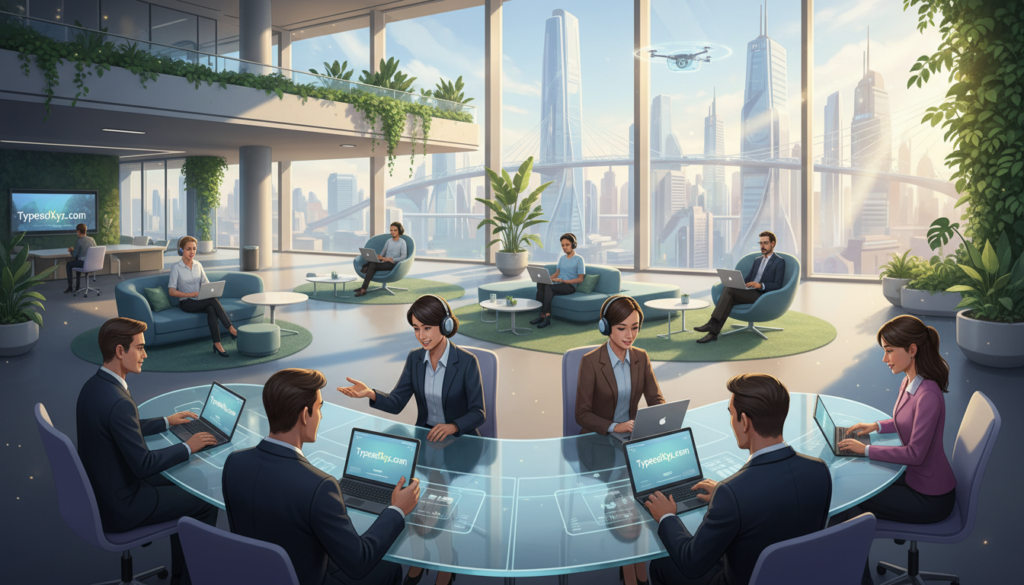
We are currently witnessing a historic shift in how, where, and when we perform our professional duties. The rigid, office-centric structures that dominated the 20th century are rapidly giving way to diverse types of work models that prioritize efficiency and personal well-being. This transition marks a fundamental change in the relationship between employers and their staff.
Shifting Expectations in the American Workforce
Today, the American workforce places a premium on autonomy and flexibility. Employees no longer view the traditional 9-to-5 desk job as the gold standard for productivity. Instead, there is a growing demand for roles that allow individuals to integrate their professional responsibilities with their personal lives seamlessly.
This cultural pivot has forced organizations to rethink their operational strategies. Companies that fail to offer flexible types of work models often struggle to attract and retain top-tier talent. Workers now seek environments that trust them to manage their output without constant physical supervision.
Technological Drivers of Workplace Change
Advancements in digital infrastructure have acted as the primary catalyst for this transformation. High-speed connectivity and robust cloud computing platforms have effectively dismantled the necessity of a centralized office. These tools ensure that teams remain synchronized regardless of their physical location.
Modern software suites allow for real-time collaboration that was once impossible outside of a conference room. As these technologies continue to evolve, they enable even more sophisticated types of work models that support global, distributed teams. The following table highlights the key differences between the old and new professional paradigms.
| Feature | Traditional Model | Modern Paradigm |
|---|---|---|
| Primary Focus | Hours spent at desk | Output and results |
| Communication | In-person meetings | Digital collaboration |
| Work Location | Centralized office | Distributed/Flexible |
| Employee Value | Compliance | Autonomy |
Fully Remote Work Models
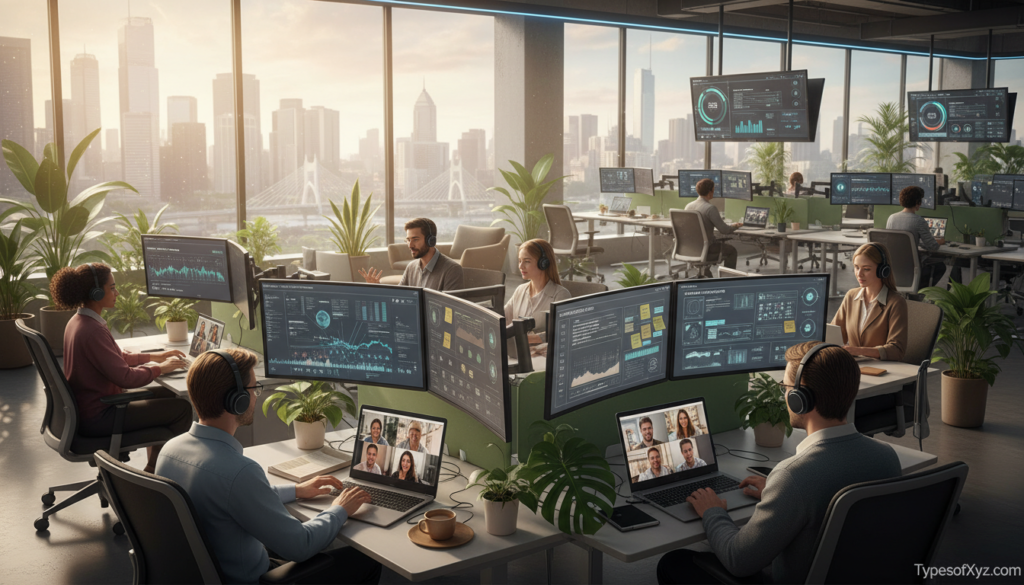
The landscape of modern employment is shifting toward a borderless horizon where geography no longer dictates potential. Organizations are increasingly evaluating different types of work to remain competitive in a globalized economy. By removing the physical constraints of a traditional office, companies can unlock new levels of efficiency and innovation.
Benefits for Global Talent Acquisition
One of the most significant advantages of a fully remote model is the ability to recruit from a truly global pool of talent. Instead of limiting searches to a specific commute radius, hiring managers can identify the best candidates regardless of their time zone. This approach naturally fosters a more diverse workforce, bringing together unique perspectives from different cultures and backgrounds.
Furthermore, businesses often see a reduction in overhead costs associated with maintaining large physical real estate footprints. These savings can be reinvested into employee development programs or better digital infrastructure. The following table highlights the strategic differences between traditional and remote hiring approaches.
| Feature | Traditional Office | Fully Remote |
|---|---|---|
| Talent Pool | Local/Regional | Global/Borderless |
| Overhead Costs | High (Rent/Utilities) | Low (Digital Tools) |
| Hiring Speed | Moderate | High (Automated) |
Maintaining Culture in Distributed Teams
Building a cohesive company culture without a shared physical space requires intentional leadership and clear communication. Managers must move away from passive observation and toward active, output-based engagement. Regular virtual check-ins and digital social spaces help bridge the gap between team members who may be thousands of miles apart.
“Culture is not about the office space you occupy, but the values you share and the way you treat each other every single day.”
To succeed with these types of work, leaders should prioritize transparency and trust. When employees feel empowered to manage their own schedules, they often demonstrate higher levels of commitment and job satisfaction. By leveraging the right digital collaboration tools, teams can maintain a strong sense of belonging even in a fully distributed environment.
Hybrid Work Arrangements
As we look toward the future, many organizations are refining their operational structures to better support their staff. Among the various types of work models, the hybrid approach has emerged as a clear favorite for businesses across the United States. This configuration offers a flexible middle ground that balances the need for individual focus with the necessity of team connection.
The Three-Two Split Strategy
The most common implementation of this model is the three-two split strategy. In this arrangement, employees spend three days working from the office and two days working remotely.
This predictable schedule helps teams maintain a consistent rhythm while providing enough autonomy to manage personal responsibilities. By standardizing these days, companies ensure that team members are present for critical meetings and brainstorming sessions simultaneously.
Optimizing Office Space for Collaboration
With fewer people in the office every day, companies are rethinking how they use their physical real estate. Instead of rows of individual cubicles, offices are being transformed into dynamic hubs designed for interaction.
Modern floor plans now prioritize open lounge areas, project rooms, and quiet zones for deep work. This shift ensures that when employees commute to the office, they are engaging in activities that truly benefit from face-to-face contact.
| Feature | Traditional Office | Hybrid Office |
|---|---|---|
| Primary Focus | Individual Desk Work | Team Collaboration |
| Space Allocation | Fixed Assigned Seating | Hot-Desking & Lounges |
| Technology | On-site Servers | Cloud-Based Tools |
| Attendance | Full-time Presence | Flexible Scheduling |
By adopting these types of work models, businesses can create a more sustainable environment for their workforce. This evolution in design not only boosts morale but also maximizes the value of every square foot in the office.
Asynchronous Workflows
Asynchronous workflows are redefining how global teams collaborate without the pressure of constant availability. By removing the requirement for employees to be online at the exact same time, organizations can tap into diverse types of work styles that span multiple continents. This shift fosters a culture where deep focus is valued over instant responses.
Prioritizing Output Over Presence
The traditional office model often conflated visibility with productivity. In contrast, modern high-performing teams now measure success by tangible output rather than hours spent at a desk. This transition requires clear goal setting and transparent documentation to ensure everyone stays aligned.
“True flexibility is not just about where you work, but about trusting your team to deliver results on their own terms.”
When managers focus on outcomes, they empower employees to manage their own schedules. This autonomy is a critical component of the new types of work emerging in 2026. It allows individuals to perform their tasks during their most productive hours, whether that is early morning or late at night.
Tools for Effective Time-Zone Management
Managing a distributed team across various time zones requires the right digital infrastructure. Without these tools, communication gaps can quickly lead to project delays. Teams must leverage platforms that support documentation and asynchronous updates to maintain momentum.
| Feature | Synchronous | Asynchronous |
|---|---|---|
| Communication | Instant (Chat/Calls) | Delayed (Project Boards) |
| Primary Metric | Availability | Output Quality |
| Best For | Urgent Decisions | Deep, Focused Work |
Essential tools like Notion, Slack, and Asana help teams track progress without needing constant meetings. By centralizing information, these platforms ensure that all types of work remain visible and accessible to everyone, regardless of their location. Embracing these technologies is essential for any company aiming to thrive in a globalized economy.
The Rise of the Four-Day Workweek
As we look toward 2026, the four-day workweek stands out as a bold shift in professional norms. Companies are increasingly exploring diverse types of work to remain competitive in a changing market. This model challenges the long-held belief that more hours at a desk equate to higher value.
Productivity Gains and Employee Well-being
Evidence suggests that a condensed schedule can significantly boost employee morale and focus. When staff members have an extra day to recharge, they often return to their tasks with renewed energy and clarity. This shift helps prevent burnout, which is a major concern in high-pressure environments.
Many firms report that output remains stable or even increases when teams work fewer hours. By prioritizing results over time spent, businesses can streamline their internal processes. This approach to various types of work encourages employees to eliminate unnecessary meetings and focus on high-impact goals.
Operational Challenges for Service Industries
While the benefits are clear for office-based roles, service industries face unique hurdles. Maintaining consistent client coverage requires careful planning and creative scheduling. Managers must ensure that service levels do not drop during the transition to a shorter week.
Implementing these types of work in retail or healthcare often requires a staggered approach. Teams may need to rotate their days off to ensure the business remains open to the public. The following table highlights the key differences between traditional and condensed models.
| Feature | Traditional Model | Four-Day Model |
|---|---|---|
| Weekly Hours | 40 Hours | 32 Hours |
| Focus | Time Presence | Output Quality |
| Staff Morale | Moderate | High |
| Scheduling | Fixed | Flexible/Staggered |
Project-Based Freelance Integration
As we look toward 2026, the variety of types of work models continues to expand, with project-based freelancing leading the charge. Organizations are finding that they no longer need to hire full-time staff for every specialized initiative. Instead, they are embracing a more fluid approach to talent acquisition that prioritizes agility and specific expertise.
Scaling Teams with Independent Contractors
Scaling your workforce through independent contractors allows your business to remain lean while still tackling ambitious goals. By bringing in experts for specific projects, you avoid the long-term financial commitment of permanent headcount. This strategy is particularly effective for companies that experience seasonal demand or need niche skills for short-term digital transformations.
When you integrate these professionals, you gain access to a global pool of talent that might otherwise be unavailable. Consider these primary advantages of this model:
- Cost Efficiency: Reduce overhead costs associated with benefits and office space.
- Specialized Expertise: Access high-level skills for complex, time-sensitive projects.
- Rapid Deployment: Onboard talent quickly to meet shifting market demands.
Managing Compliance and Integration
While the flexibility of these types of work is undeniable, employers must navigate the legal landscape with care. Proper classification of workers is essential to avoid penalties and ensure that your business remains compliant with labor laws. Misclassifying a contractor as an employee can lead to significant financial and legal headaches.
To successfully integrate independent contractors, focus on these core areas:
- Clear Contracts: Define the scope of work, deliverables, and timelines in writing.
- Classification Audits: Regularly review your relationships to ensure they meet legal standards for independent work.
- Cultural Onboarding: Even temporary team members need access to your core values and communication tools to succeed.
Effective integration is not just about legal paperwork; it is about building a bridge between your internal culture and external talent. By treating contractors as valued partners rather than just vendors, you foster a collaborative environment that drives better results. Ultimately, mastering these types of work will define the most successful organizations in the coming years.
The Digital Nomad Lifestyle
Embracing a location-independent lifestyle is no longer a niche dream but a growing reality for many workers. As we explore various types of work, the digital nomad movement stands out for its emphasis on personal freedom and global mobility. Professionals are increasingly trading traditional office cubicles for cafes and co-working spaces in cities across the globe.
Infrastructure Requirements for Mobile Workers
Success in this mobile environment relies heavily on robust technical foundations. Workers must prioritize reliable connectivity, often carrying portable high-speed hotspots and secondary power banks to ensure they remain online. Furthermore, using a secure Virtual Private Network (VPN) is essential to protect sensitive company data while accessing public Wi-Fi networks.
Beyond connectivity, mobile professionals need ergonomic setups that fit into a backpack. Lightweight laptops, noise-canceling headphones, and compact keyboards are standard gear for those who frequently change their surroundings. These tools ensure that productivity remains high regardless of the physical location.
“The future of work is not about where you are, but about the value you create and the connections you maintain across borders.”
Tax and Legal Considerations for Employers
While employees enjoy the freedom of travel, employers face complex regulatory hurdles. When a team member works from a different country, it can trigger unexpected tax liabilities for both the individual and the organization. Companies must navigate international labor laws to ensure they remain compliant with local regulations in every jurisdiction where their staff resides.
Managing these types of work requires a proactive approach to human resources and legal strategy. Many firms now utilize Employer of Record (EOR) services to handle payroll and tax filings in foreign countries. This strategy mitigates risk while allowing the company to tap into a truly global talent pool.
| Requirement | Traditional Office | Digital Nomad |
|---|---|---|
| Connectivity | Hardwired Ethernet | Global Roaming/VPN |
| Hardware | Desktop/Docking Station | Portable/Lightweight |
| Compliance | Local Labor Laws | International Tax/Visa |
| Communication | In-person Meetings | Asynchronous Tools |
Ultimately, supporting a nomadic workforce is a strategic choice that requires careful planning. By investing in the right infrastructure and legal frameworks, businesses can successfully integrate these modern types of work into their long-term growth plans.
Co-working and Satellite Office Hubs
The landscape of corporate real estate is undergoing a massive transformation as companies rethink their physical footprint. Businesses are increasingly moving away from the traditional, massive headquarters model to embrace more agile types of work. This shift allows firms to maintain a professional presence while gaining significant operational flexibility.
Reducing Real Estate Overhead
Maintaining a large, centralized office often results in high fixed costs that do not align with modern business needs. By utilizing co-working spaces and satellite hubs, organizations can drastically reduce their real estate overhead. These flexible arrangements allow companies to scale their footprint up or down based on actual demand rather than long-term lease commitments.
“The office of the future is not a single building, but a network of spaces that empower employees to work where they are most effective.”
This approach to different types of work ensures that capital is invested in growth rather than empty desks. The following table highlights the financial advantages of transitioning to a hub-based model:
| Cost Category | Traditional HQ | Satellite Hub |
|---|---|---|
| Lease Duration | Long-term (5-10 years) | Short-term/Flexible |
| Maintenance | Full Responsibility | Included in Membership |
| Utility Costs | High/Variable | Fixed/Bundled |
Fostering Localized Professional Communities
Beyond the financial benefits, satellite offices serve as vital hubs for social interaction and professional growth. These spaces provide remote workers with a sense of belonging that is often missing in a purely home-based environment. By creating localized communities, companies can support types of work that prioritize both productivity and employee well-being.
Employees benefit from the natural networking opportunities that arise when sharing space with other professionals. This environment fosters collaboration and innovation, even when team members are not in the same building. Ultimately, these hubs bridge the gap between the flexibility of remote life and the necessity of human connection.
AI-Augmented Human Collaboration
Automation is no longer just a futuristic concept; it is actively redefining the types of work we perform every day. By handling repetitive and data-heavy processes, artificial intelligence allows professionals to reclaim their time for more meaningful endeavors. This shift is creating a more dynamic environment where technology acts as a partner rather than a replacement.
Redefining Roles in the Age of Automation
As machines take over routine administrative duties, the human contribution is evolving toward higher-level strategic and creative functions. Employees are now expected to interpret complex data, lead innovative projects, and foster deep interpersonal connections. This transition requires a fundamental change in how organizations view various types of work, moving away from manual output toward cognitive value.
Companies that successfully integrate these tools often see a significant boost in overall morale. When workers are freed from the monotony of repetitive data entry, they feel more empowered to contribute unique ideas. This synergy between human intuition and machine precision is the hallmark of the modern workplace.
Upskilling for Human-Machine Synergy
To thrive in this new era, organizations must prioritize comprehensive upskilling programs. It is not enough to simply introduce new software; employees need the training to collaborate effectively with these systems. Developing a workforce that understands how to prompt, manage, and audit AI outputs is essential for maintaining a competitive edge across all types of work.
Investing in continuous learning ensures that your team remains agile and ready for future technological shifts. By fostering a culture of curiosity, businesses can turn the fear of automation into an exciting opportunity for professional growth. Ultimately, the goal is to build a collaborative ecosystem where human creativity and machine efficiency work in perfect harmony.
Results-Only Work Environments
The modern professional landscape is shifting toward models that prioritize output over physical presence. Among the various types of work emerging for 2026, the Results-Only Work Environment (ROWE) stands out as a transformative philosophy. This approach removes the focus from the traditional nine-to-five grind and places it squarely on individual and team contributions.
Measuring Performance Beyond Hours
To succeed in a results-driven model, managers must move away from monitoring time. Instead, they should define clear, measurable Key Performance Indicators (KPIs) that align with broader company goals. By focusing on project milestones, leaders can ensure that every team member understands exactly what success looks like for their specific role.
This shift requires a transition from tracking attendance to evaluating actual impact. When employees know they are judged by their output, they often find more efficient ways to complete their tasks. This autonomy is a hallmark of modern types of work that value quality over quantity.
Building Trust in Autonomous Teams
Trust serves as the foundation for any successful autonomous team. Without the ability to monitor every move, managers must foster a culture where accountability is shared and transparent. Empowerment is the key to unlocking high performance in these environments.
When you treat employees like adults, they tend to rise to the occasion. By providing the right tools and clear expectations, you allow your team to manage their own schedules effectively. This level of freedom is essential for attracting top talent in today’s competitive market.
| Metric Category | Traditional Model | Results-Only Model |
|---|---|---|
| Primary Focus | Hours at desk | Project completion |
| Performance Indicator | Attendance records | KPI achievement |
| Management Style | Direct supervision | Outcome-based coaching |
| Team Culture | Compliance-driven | Trust-based autonomy |
Ultimately, adopting these types of work requires a significant mindset shift. Organizations that embrace results over hours often see higher levels of engagement and long-term retention. By focusing on what truly matters, your business can thrive in an increasingly flexible world.
Job Sharing and Flexible Scheduling
Many companies are discovering that splitting a single role can actually double the value provided to the business. This creative approach to types of work allows two professionals to divide the duties of one full-time position. By embracing this model, organizations can tap into diverse skill sets while offering employees the autonomy they crave.
Increasing Retention Through Flexibility
Retention remains a top priority for human resources departments across the United States. When employees feel that their personal needs are respected, they are far more likely to remain loyal to their employer. Job sharing acts as a powerful tool to prevent burnout by allowing staff to manage family commitments or personal projects without sacrificing their career trajectory.
Offering this level of flexibility signals that a company values output over rigid desk time. It creates a culture of trust that attracts high-performing talent who might otherwise seek freelance opportunities. By providing these types of work, businesses can maintain continuity even when one partner needs to take leave or adjust their schedule.
Implementing Shared Responsibility Models
Success in a shared role depends on clear communication and defined boundaries. Partners must establish a seamless handover process to ensure that projects do not stall during transitions. Using digital collaboration platforms helps both individuals stay aligned on daily tasks and long-term goals.
Managers should focus on setting shared KPIs rather than monitoring individual hours. When both partners are held accountable for the same outcomes, they naturally develop a collaborative rhythm that benefits the entire team. This structure ensures that the business receives consistent coverage while the employees enjoy a healthier work-life balance.
| Feature | Traditional Full-Time | Job Sharing Model |
|---|---|---|
| Coverage | Single point of failure | Redundant and reliable |
| Skill Set | Limited to one person | Combined expertise |
| Flexibility | Low | High |
| Retention | Standard | Significantly higher |
Ultimately, these types of work models represent a shift toward a more human-centric professional environment. By prioritizing flexibility, companies can build resilient teams that are prepared for the challenges of 2026 and beyond.
The Four-Tiered Global Talent Model
The four-tiered global talent model offers a strategic framework for companies looking to optimize their human capital. By categorizing roles based on their strategic importance and geographic location, businesses can better align their workforce with long-term goals. This approach helps leaders identify which types of work are best suited for local experts and which can be handled by offshore teams.
Balancing Local and Offshore Resources
Effective resource allocation requires a clear understanding of value creation. Strategic roles, which drive innovation and core business growth, are typically kept local to ensure high-touch collaboration. Conversely, commodity tasks are often moved to offshore locations to reduce operational costs without sacrificing quality.
Finding the right balance between these types of work is essential for maintaining a competitive edge. Companies that successfully integrate these resources often see significant improvements in efficiency. The following table outlines how organizations typically categorize these roles:
| Tier Level | Role Focus | Location Strategy |
|---|---|---|
| Tier 1: Strategic | Innovation & Leadership | Local/Headquarters |
| Tier 2: Core | Operational Excellence | Hybrid/Regional |
| Tier 3: Support | Technical Assistance | Nearshore/Offshore |
| Tier 4: Commodity | Routine Processing | Offshore/Global |
Standardizing Communication Across Borders
When teams are spread across different time zones, clear communication becomes the backbone of success. Standardizing protocols ensures that everyone remains aligned on company goals, regardless of their physical location. Without these guardrails, different types of work can quickly become siloed, leading to confusion and missed deadlines.
Organizations should implement unified project management tools and consistent reporting cadences. Transparency is the key to building trust within a distributed workforce. By establishing a common language for performance and expectations, companies can ensure that their global talent pool operates as a single, cohesive unit.
Micro-Sabbaticals and Wellness-Centric Models
Companies are increasingly rethinking traditional schedules by adopting micro-sabbaticals to support employee health. These innovative types of work models prioritize long-term sustainability over short-term output. By embedding intentional rest into the corporate calendar, businesses can protect their most valuable asset: their people.
Preventing Burnout in High-Pressure Roles
High-pressure environments often lead to exhaustion, which diminishes creativity and decision-making abilities. To combat this, forward-thinking firms now implement mandatory rest periods that allow staff to disconnect completely. These micro-sabbaticals typically last one to two weeks, providing a meaningful reset without the disruption of a traditional long-term leave.
When employees return from these breaks, they often report higher levels of engagement and focus. Organizations that adopt these types of work models see a significant reduction in turnover rates. Consider these benefits of structured recovery:
- Enhanced cognitive function following periods of deep rest.
- Improved morale through the recognition of personal well-being.
- Greater loyalty from staff who feel supported by their leadership.
Integrating Mental Health into Work Design
Mental health support should not be an afterthought or a reactive measure. Instead, it must be woven into the very fabric of daily operations and corporate policy. This involves creating a culture where taking time for mental health is viewed as a professional responsibility rather than a sign of weakness.
Managers can lead by example by setting clear boundaries regarding communication after hours. By normalizing the need for balance, companies foster an environment where high performance is sustainable. Ultimately, integrating wellness into the design of the workday ensures that teams remain resilient in an ever-changing professional landscape.
The Fractional Executive Trend
Accessing elite talent no longer requires a full-time salary commitment, thanks to the growing fractional executive trend. Companies are increasingly exploring diverse types of work to remain agile in a fast-paced market. By hiring professionals like part-time CFOs or CMOs, businesses gain access to seasoned leadership without the overhead of a permanent executive hire.
Accessing High-Level Expertise on Demand
The primary appeal of this model is the ability to tap into specialized knowledge exactly when it is needed. Many startups and small firms struggle to afford a full-time C-suite member, yet they face complex challenges that require expert guidance. Fractional leaders provide the necessary strategic direction to navigate these hurdles effectively.
- Cost Efficiency: Pay only for the hours or projects required.
- Immediate Impact: Experienced leaders hit the ground running without long onboarding periods.
- Scalability: Adjust leadership support as your business grows or pivots.
Strategic Advantages for Small Businesses
Small businesses often operate with limited resources, making every hiring decision critical. Integrating fractional roles into your types of work strategy allows you to compete with larger corporations by leveraging high-level insights. This flexible approach ensures that your leadership team remains lean while still maintaining a competitive edge.
| Feature | Full-Time Executive | Fractional Executive |
|---|---|---|
| Cost | High (Salary + Benefits) | Lower (Project/Retainer) |
| Commitment | Permanent | Flexible/Contract |
| Expertise | Generalist/Deep | Highly Specialized |
Ultimately, adopting these types of work models empowers small teams to achieve sustainable growth. By prioritizing results over traditional office presence, organizations can build a resilient foundation for the future. Embracing fractional leadership is a smart move for any business looking to optimize its operational efficiency.
Essential Types of Work Models for 2026
Choosing the right framework for your team is the most critical decision for organizational success in 2026. Rather than adhering to a single rigid structure, forward-thinking leaders are now blending various Types of Work Models for 2026 to suit their unique operational needs. This bespoke approach allows companies to balance individual autonomy with collective goals.
Synthesizing the Best Practices for Your Organization
Creating a high-performing environment requires a thoughtful combination of strategies. You might find that a hybrid arrangement works best for your creative teams, while your administrative staff thrives in an asynchronous workflow. By integrating these diverse methods, you build a resilient foundation that supports both output and employee well-being.
To successfully implement these Types of Work Models for 2026, consider the following core principles:
- Prioritize outcomes: Focus on what is achieved rather than the hours spent at a desk.
- Invest in technology: Ensure your digital infrastructure supports seamless collaboration across time zones.
- Foster trust: Build a culture where autonomy is encouraged and performance is measured transparently.
- Stay flexible: Regularly review your processes to ensure they still align with your business objectives.
Preparing for the Next Wave of Workplace Innovation
The professional landscape will continue to evolve rapidly, making agility your greatest asset. Organizations that remain open to experimenting with new Types of Work Models for 2026 will be better positioned to attract top-tier talent. Continuous learning and adaptation are no longer optional; they are essential for long-term survival.
Keep a close watch on emerging trends such as AI-driven task management and decentralized team structures. By staying proactive, you ensure that your organization remains a leader in the competitive global market. Embrace the change, and you will create a workplace that is truly built for the future.
Navigating the Path Toward Sustainable Productivity
Building a resilient organization requires a shift in how leaders view daily operations. Sustainable success relies on intentional design rather than rigid adherence to outdated office norms.
You now possess a comprehensive overview of the diverse types of work models available for 2026. These frameworks provide the flexibility needed to thrive in a competitive global market.
No single strategy fits every business perfectly. Companies like Microsoft and Salesforce demonstrate that adapting your approach to fit your unique culture drives better results. Experimenting with these various types of work allows your team to find the right balance between output and personal well-being.
Prioritize clear communication and trust as you implement these changes. Your commitment to evolving alongside your employees will foster long-term loyalty and innovation.
Start small by testing one of these models within a single department. Observe the impact on your team and adjust your strategy based on real feedback. Your journey toward a more productive future begins with the courage to embrace change today.